VCE Programs
Heide’s VCE Art Making and Exhibiting, VCE Art Creative Practice and VCE Visual Communication Design programs align with the subjects in the current VCE curriculum. The programs are designed to be used in conjunction with an exhibition visit facilitated by Heide’s specialist art educators, and supported by insights from Heide’s curatorial and exhibition teams. Programs are devised across the five different gallery spaces at the museum.
FAQ
VCE Art Making and Exhibiting
Programs

Making an Exhibition: Methods and Approaches
Unit 3, Area of Study 3: Connect – curate, design and propose
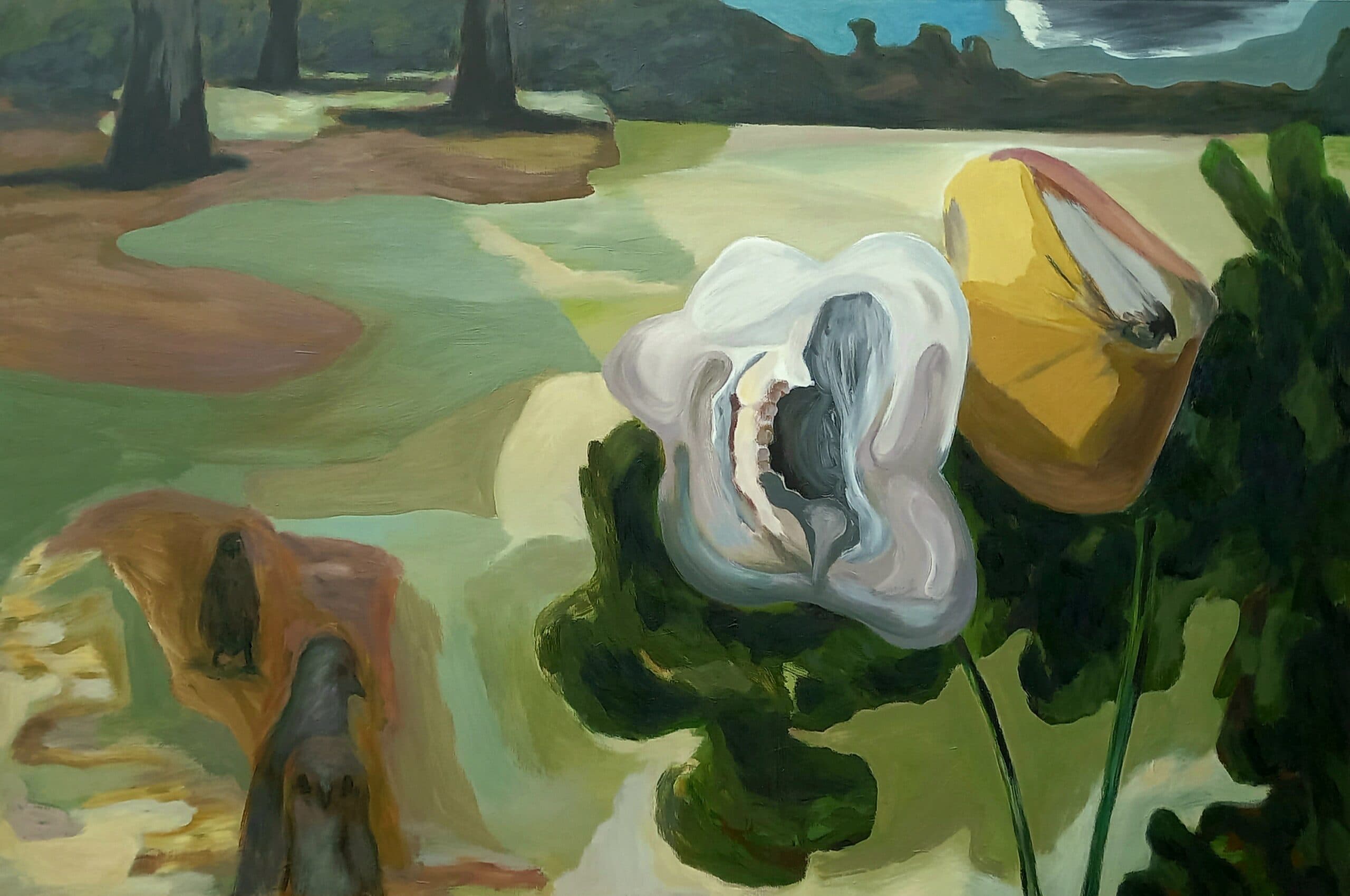
Explore Brassaï: Secret Paris in depth to investigate how curators plan, prepare, and present exhibitions. A major international loan exhibition bringing together more than 150 vintage prints from the artist’s French estate, this survey provides students with an understanding of the real procedures and requirements involved in securing and exhibiting international works.
Students learn about the roles and responsibilities of those involved in the exhibition-making process, how curators research and develop themes and links between artworks, and strategies for creating interpretative texts and catalogues. In examining how the curatorial theme is reflected in the exhibition design, students look at design strategies, spatial planning, object display techniques and lighting, and the effect of the exhibition design on the viewer experience.
Tours take place in Heide Main Galleries.
Developing an Exhibition: Themes and Connections
Unit 2, Area of Study 1: Understand – ideas, artworks and exhibition
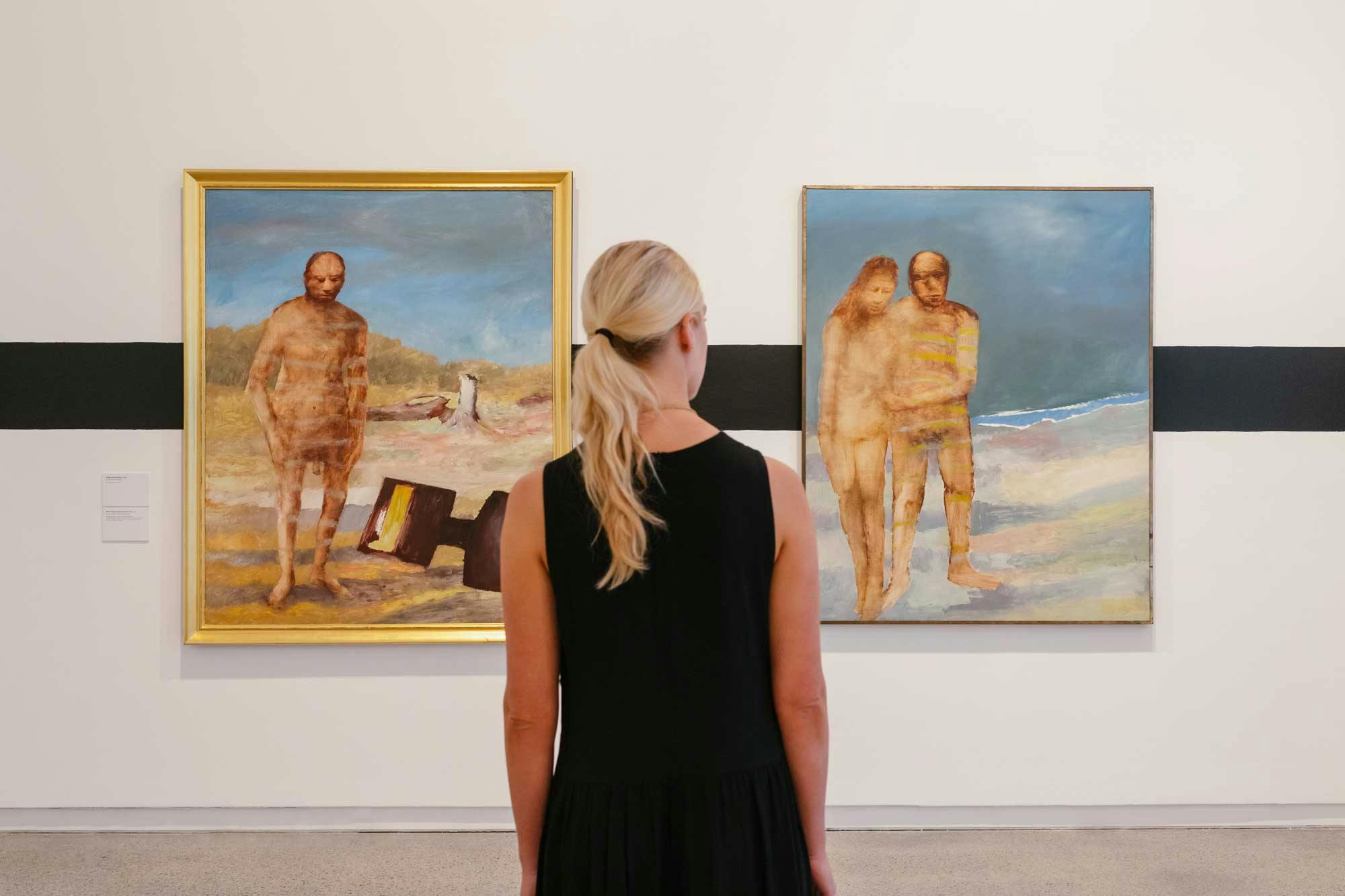
Examine curatorial practice through Ken Whisson and John Foubister: Going Back In, exploring how a decades-long friendship and artistic exchange between two very different artists is shaped into a single thematic exhibition.
Students learn the strategies curators use to bring artworks from different contexts, in this case, two artists working in different states, generations and circumstances, into a thematic exhibition, considering display, design and the relationships formed between the works on show.
Tours take place in the Albert and Barbara Tucker Gallery Kerry Gardner and Andrew Myer Project Gallery.
Care and Conservation: The Heide Collection and Exhibitions
Unit 4, Area of Study 3: Conserve – present and care
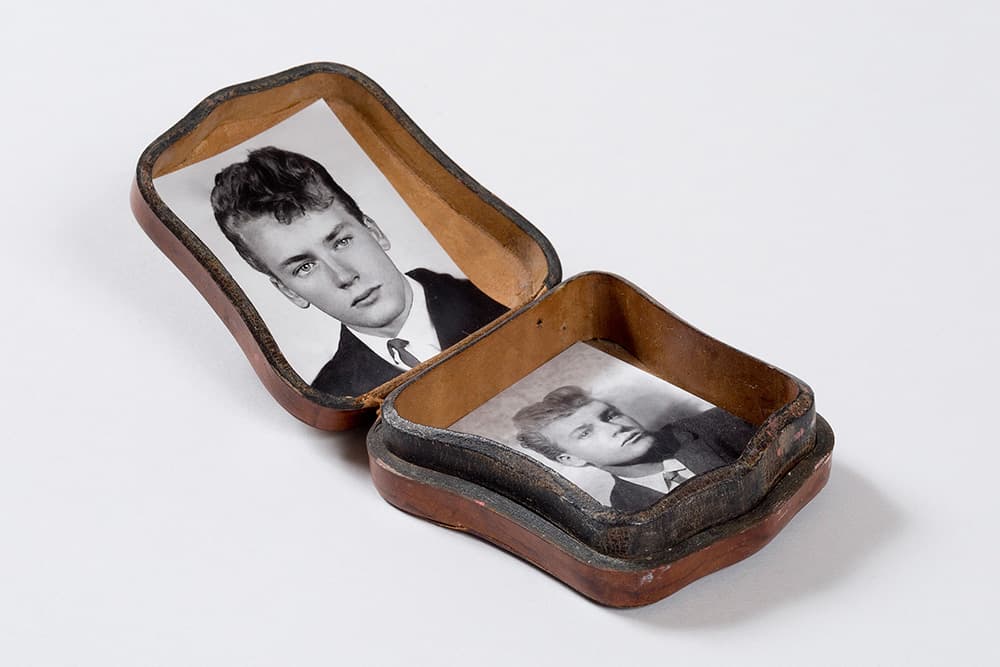
This tour examines the conservation aspects of a current Collection based exhibition in Heide Cottage. Students learn about the methods and considerations involved in the presentation, conservation and care of artworks on display, including climate control, lighting, handling and display cases, in this unique exhibition space.
Tours take place in Heide Cottage.
VCE Art Creative Practice

Contemporary Artists
Unit 1 Interpreting artworks and exploring the Creative Practice
Unit 3 Investigation, ideas, artworks and the Creative Practice
Explore the contrasting practices of Ken Whisson and John Foubister, the celebrated Italian-based Australian modernist and his younger South Australian counterpart, whose decades-long exchange by post and telephone shaped both their bodies of work.
Tours take place in the Albert and Barbara Tucker Gallery Kerry Gardner and Andrew Myer Project Gallery.
Comparing Practices: Ken Whisson and John Foubister
Unit 4, Area of Study 3: Comparison of artists, their practice and their artworks
Going Back In presents two artists in direct conversation, the celebrated modernist Ken Whisson and his younger South Australian counterpart, John Foubister, whose decades-long friendship shaped both their bodies of work. In this facilitated tour, students research and compare the practices of one historical and one contemporary artist side by side, applying the Structural, Personal and Cultural Lenses to analyse and interpret at least two works by each.
Tours take place in the Albert and Barbara Tucker Gallery Kerry Gardner and Andrew Myer Project Gallery.
Visual Communication and Design
Design, Place and Time: Inside Heide Modern
Unit 2, Area of Study 1: Design, place and time
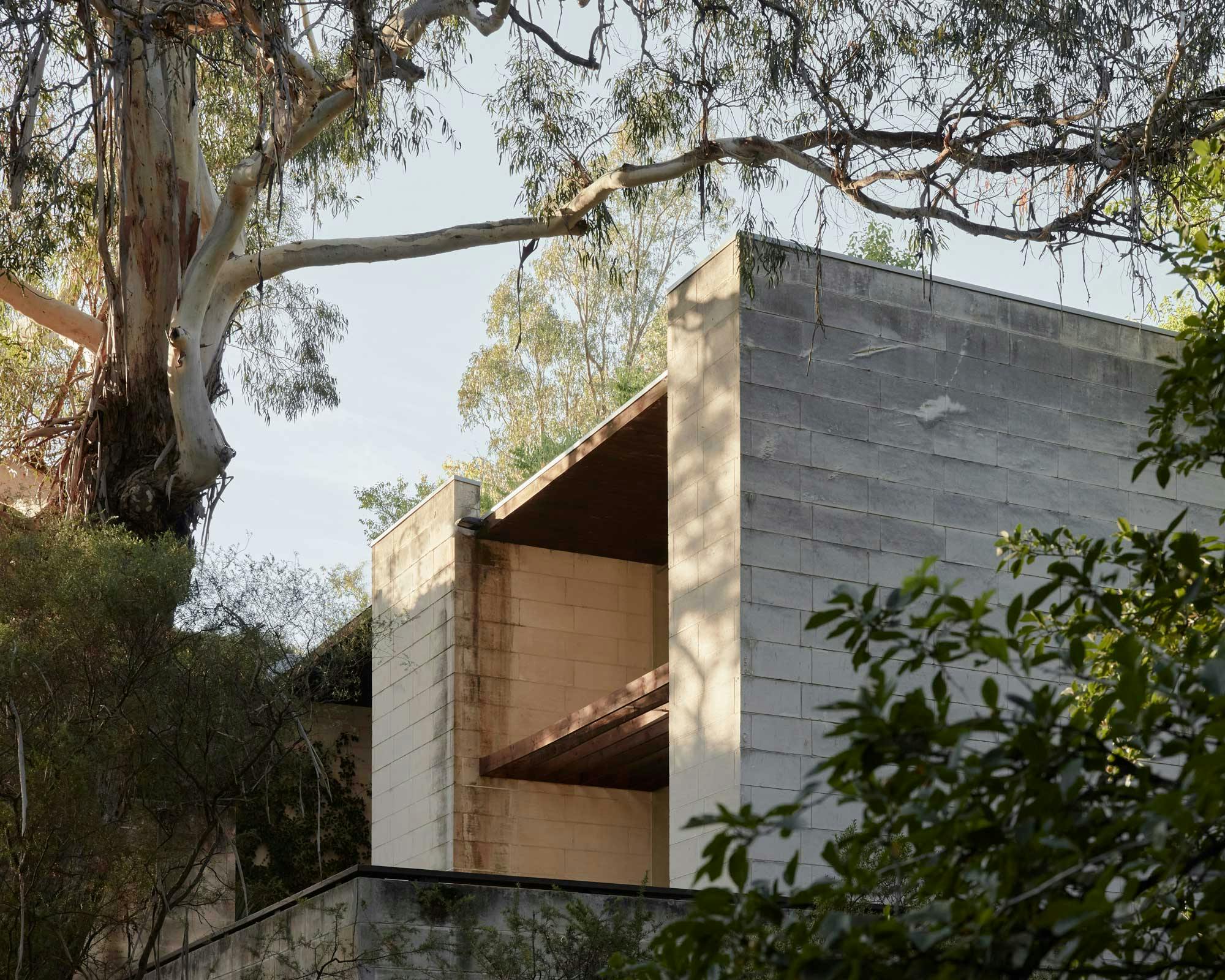
This tour supports VCE Visual Communication Design Unit 2 through the lens of Heide Modern, a landmark of Australian architecture designed by David McGlashan in the early 1960s. With an architectural designer, students explore how the building’s design responded to a visionary brief as a ‘gallery to be lived in’, its connection with the Yarra river landscape, and the influence of Modernism and de Stijl.
Heide Modern gives students a first-hand example of how economic, cultural, environmental and social context can shape an environmental design solution.

From Brief to Building Heide Modern
Unit 3, Area of Study 1: Professional design practice
This tour supports VCE Visual Communication Design Unit 3 by pairing an exemplary work of Australian architecture with the insights of a practising architectural designer. Using Heide Modern as a historical case study alongside contemporary professional practice, students investigate how designers respond to a brief, collaborate with clients and stakeholders, and navigate contextual factors.
Meeting a designer who can speak to the roles, relationships and responsibilities involved in a real design problem gives students direct insight into how professional design practice has changed over time.
Format & fees
Bookings are essential for all VCE groups visiting Heide Museum of Modern Art. Programs are priced per student below.
Programs
VCE Art Making and Exhibiting
VCE Art Creative Practice
VCE Art Creative Practice Create Art Workshop
Design in Practice
Low SES school and schools experiencing disadvantage
Thanks to philanthropic funding, we are able to provide fully subsidised programs and bus hire for schools experiencing disadvantage due to low SES status, geographical distance students with additional needs, or social and economic disadvantage. Schools are encouraged to enquire about these subsidies when submitting their booking enquiry.
Keep up to date with all of Heide’s Learning programs
Subscribe to the Heide Learning Newsletter
photograph: Clytie Meredith