Landscapeat Heide
The sculpture park
Open to the public all year round, Heide’s beautiful heritage listed gardens offer a space for family enjoyment and individual reflection.
Originally a culturally significant environment for the Wurundjeri people, the traditional custodians, the property was later used as grazing pasture. When John and Sunday Reed purchased Heide in 1934 it was a neglected former dairy farm. They immediately set about planting out the acreage and moulded Heide into a personal Eden, connecting art with nature and creating a nourishing environment for the artists they championed—Sidney Nolan, Albert Tucker, Joy Hester, Charles Blackman and Mirka Mora among them.
Today, visitors can discover Sunday Reed’s walled garden, original kitchen garden and the wild garden near Heide Cottage, and the famous Heide Modern kitchen garden in which Sunday worked daily until just before her death in 1981. Since the opening of the museum the heritage gardens have been enhanced with a healing garden near Heide Cottage, an artist’s garden outside the main galleries designed by Fiona Hall, and Yaluk Langa, an indigenous environment on the edge of the Birrarung/Yarra River.
Heide is also renowned for its sculpture park. There are over 30 stunning works to discover across the 15-acre site including works by Inge King, Anish Kapoor, Anthony Caro and Neil Taylor. Jeff Thomson’s iconic Cows, 1987, are a playful reminder of the museum’s dairy farm origins. Download a Sculpture Park Map and start exploring.
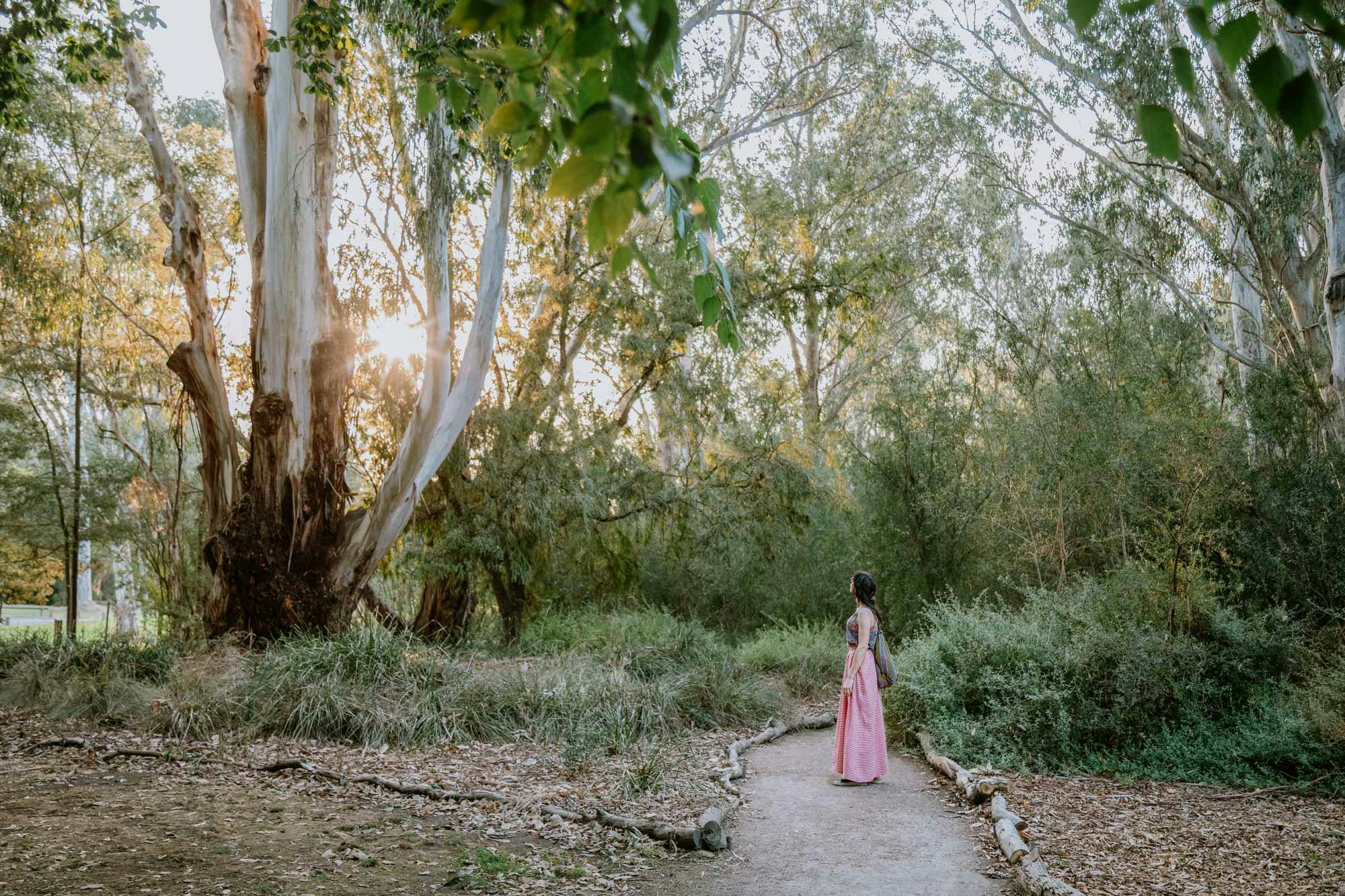
Yaluk Langa 2022, photograph: Clytie Meredith
The Heide gardens
Under the custodianship of John and Sunday Reed the Heide landscape was transformed from a denuded, virtually treeless property to an extensive arboretum. As soon as they took up residence they initiated a major planting program across the broader acreage and Sunday began rejuvenating an old kitchen garden near the Heide Cottage. They went on to expand their vision over the years, creating hedges, lawns, a rose garden, a rockery and substantial herbaceous borders, an orchard at the front of the house and a secluded wild garden on its south side. A second kitchen garden was established adjacent to the Heide Modern building in the 1960s.
Since Heide has been opened to the public, two further significant gardens have been created: a healing garden with sensory plantings completed in 2021, and Yaluk Langa, an indigenous garden on the river’s edge that is a longer-term work-in-progress.
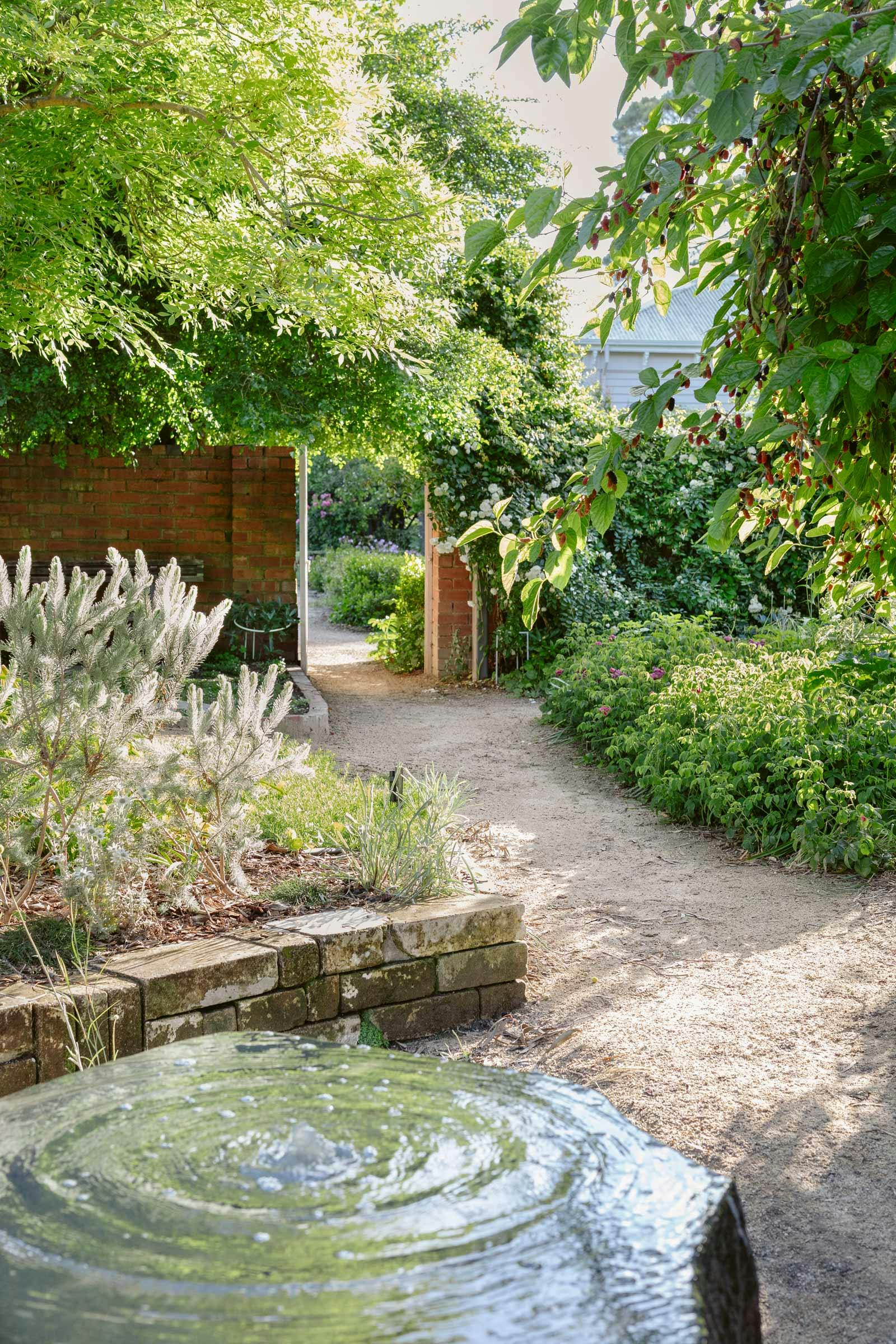
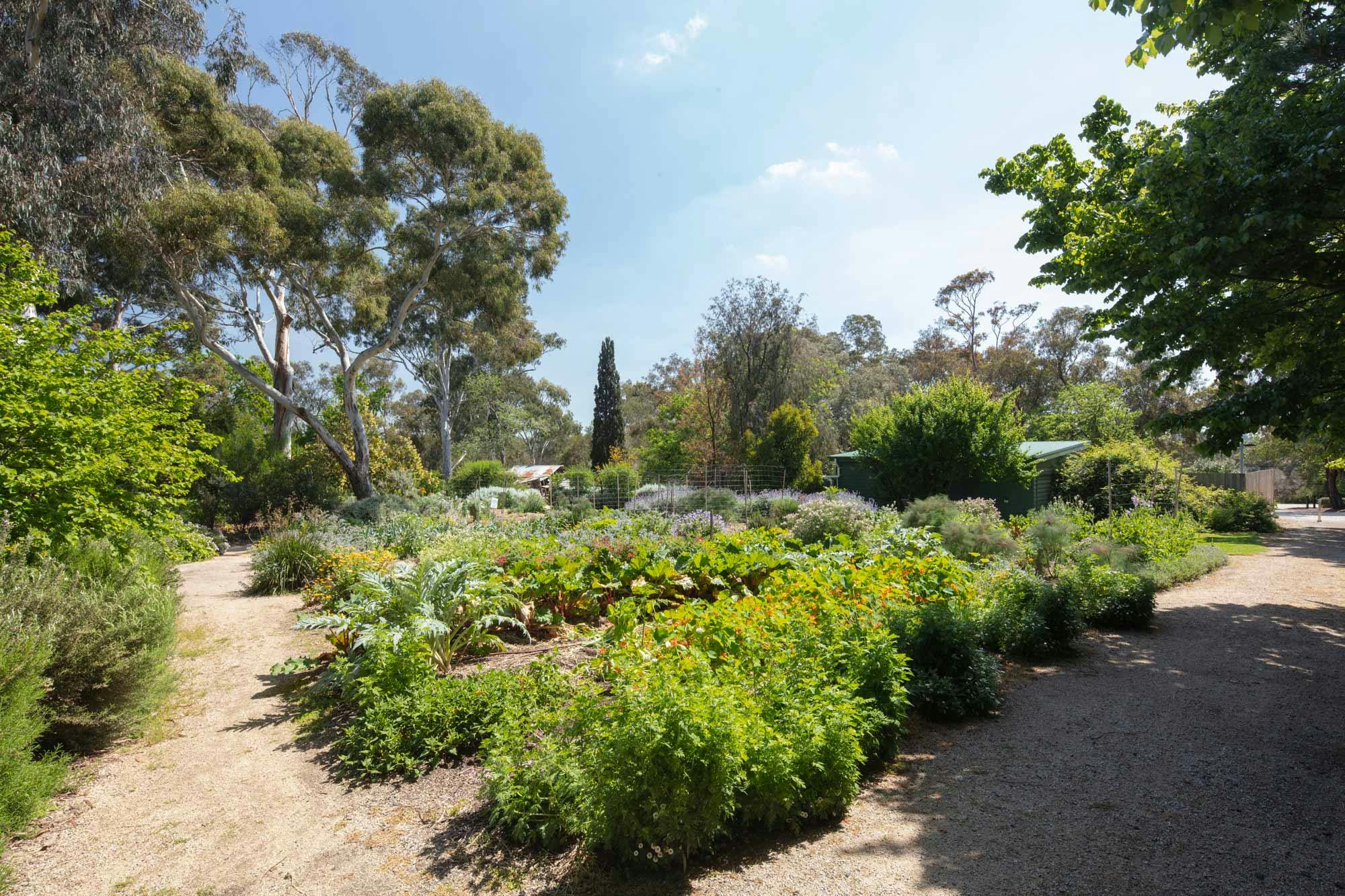
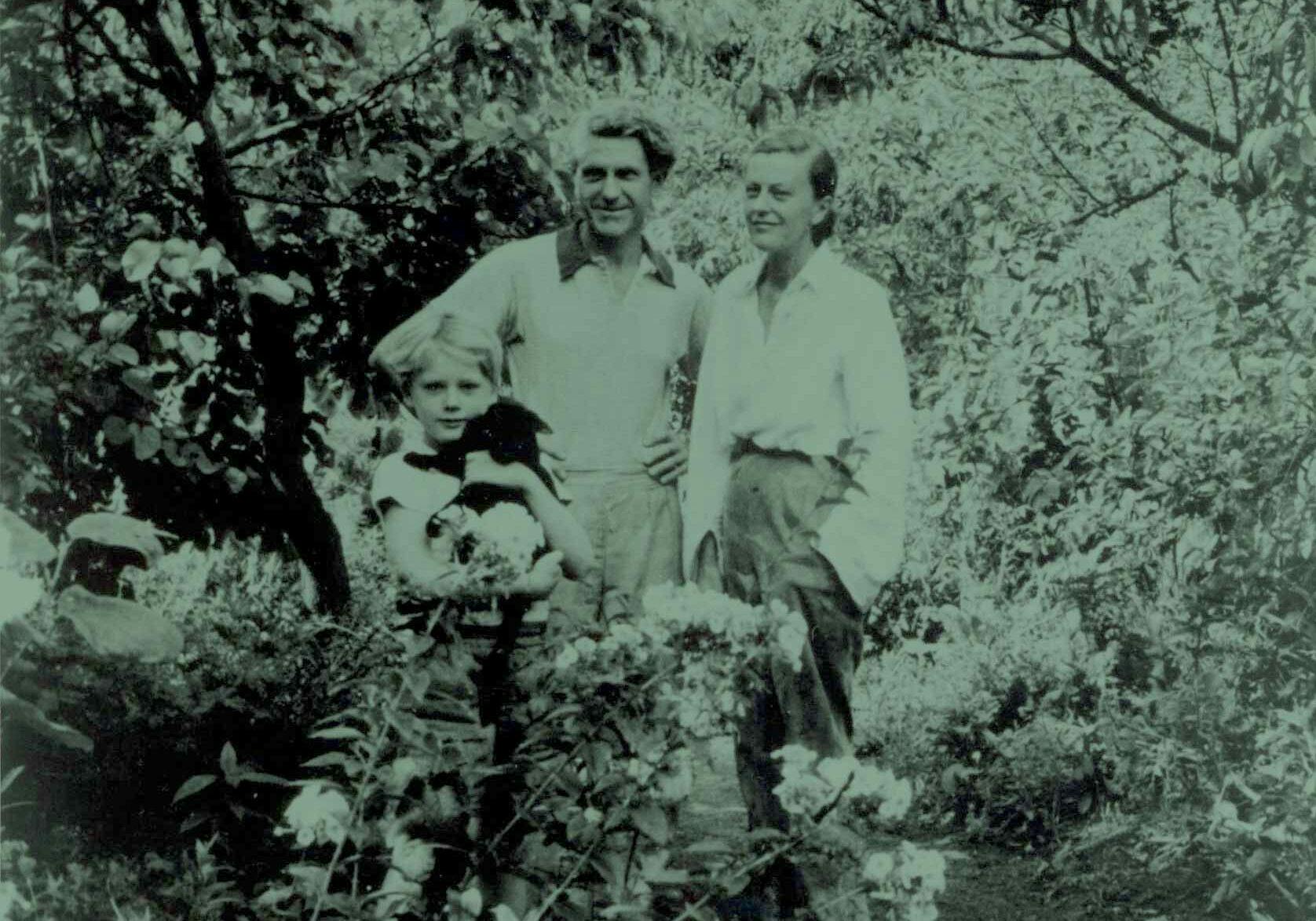
The Heide landscape has a long history of supporting the physical and cultural needs of its inhabitants. A productive environment for the traditional owners, the Wurundjeri people of the Woiwurrung language group, it was later used for farming and grazing before being transformed into the verdant gardens and parklands of the museum today.
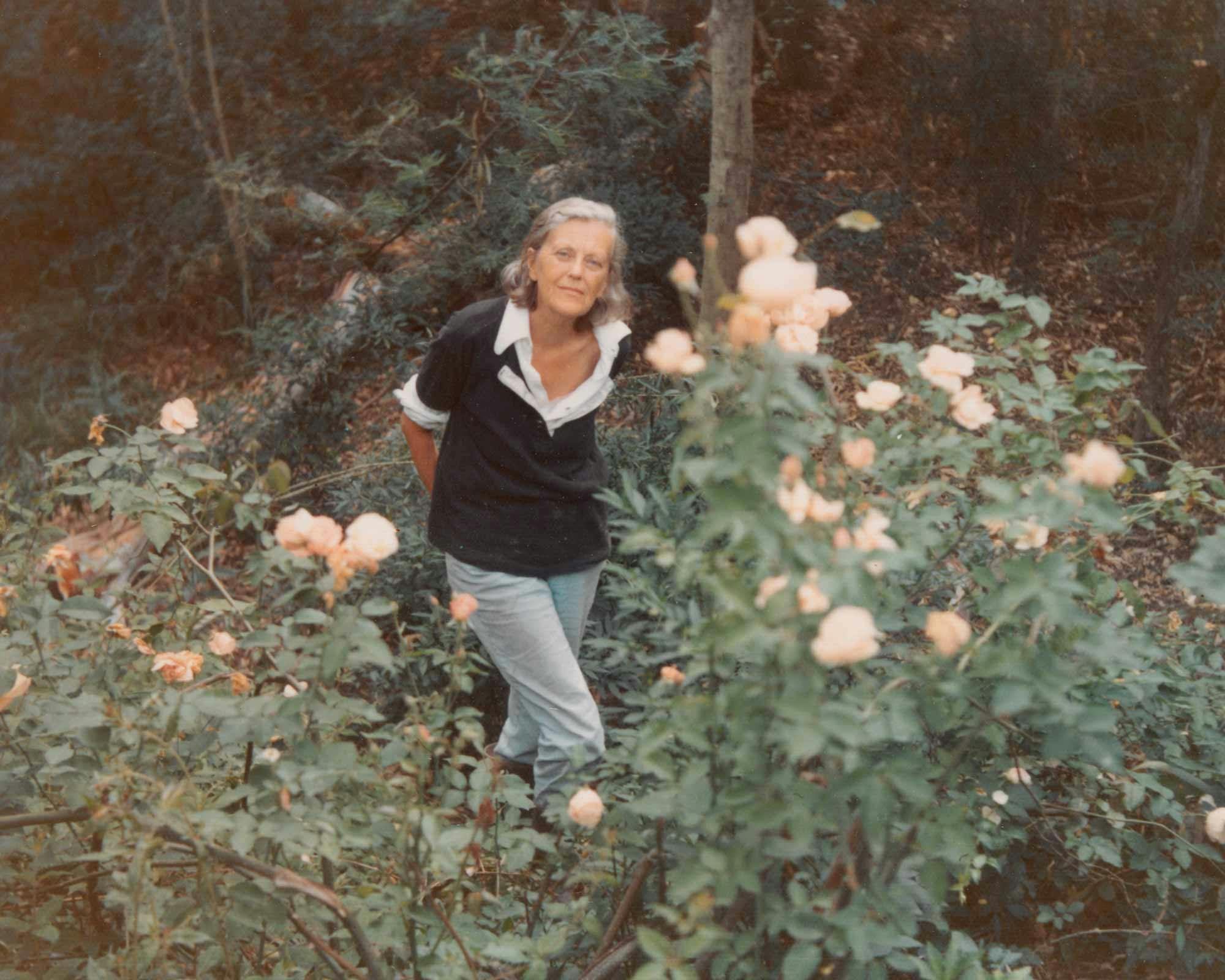
Sunday Reed had a passion for roses and cultivating different varieties was central to her vision for the Heide gardens from the time that she and John acquired the property in 1934.
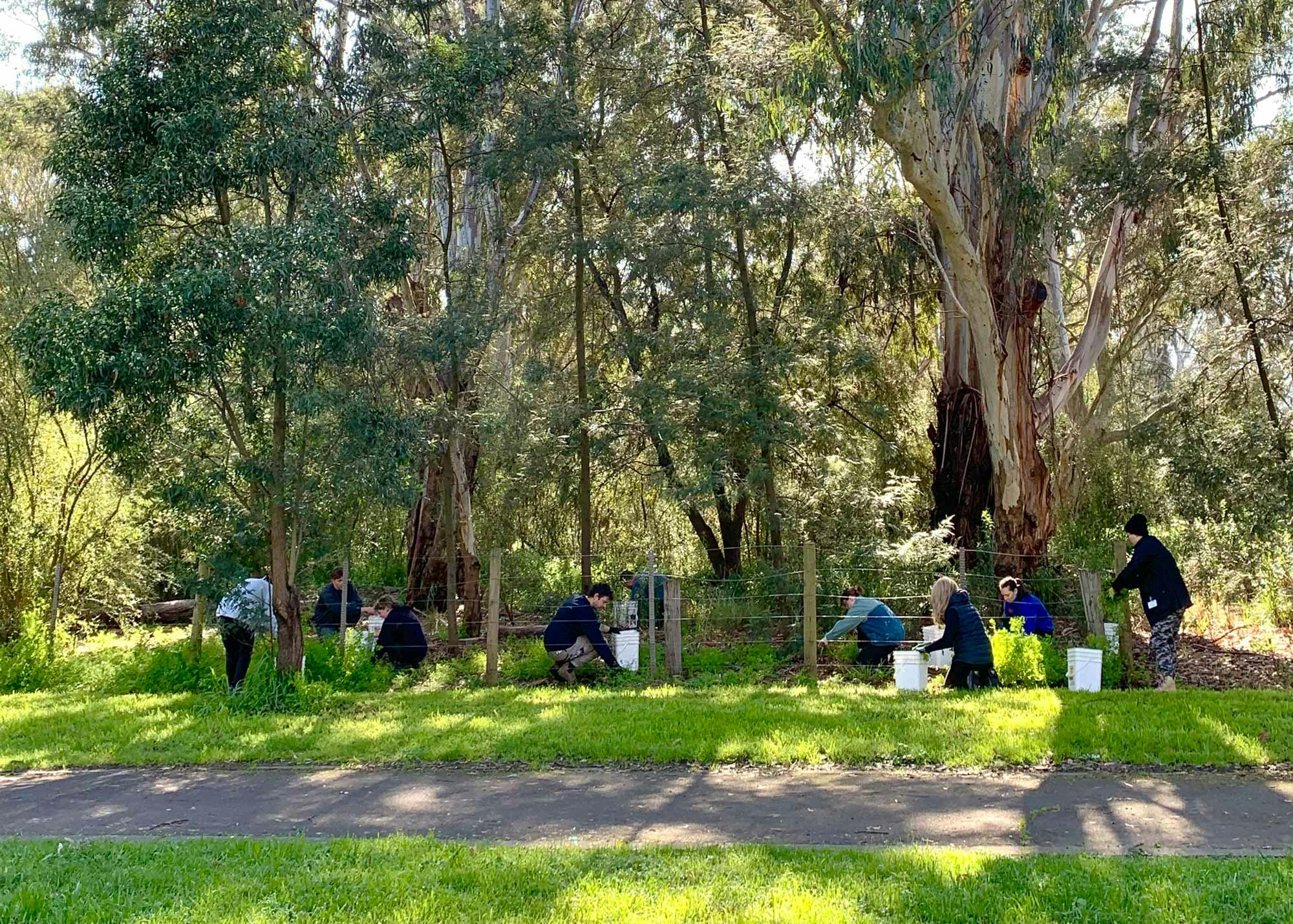
Volunteer in the gardens
Would you like to play a part in ensuring the Heide gardens continue to thrive? Become a garden volunteer!
Volunteers assist in the routine maintenance and presentation of key areas of our grounds including the two kitchen gardens, the healing garden, Yaluk Langa, the Rose Walk and the sculpture park.